

Conversion Rate Optimization (CRO) for Paid Ads
Conversion Rate Optimization (CRO) for Paid Ads In today’s competitive digital landscape, running paid ads is not enough to guarantee success. Businesses often spend heavily on platforms like Google Ads and social media but fail to achieve desired results. This is where Conversion Rate Optimization (CRO) plays a crucial role. CRO focuses on improving the percentage of users who take a desired action after clicking on your ad—whether it’s making a purchase, signing up, or filling out a form. Instead of increasing your ad budget, CRO helps you maximize the value of your existing traffic. By optimizing your ads, landing pages, and user experience, you can significantly improve your return on investment (ROI). What is Conversion Rate Optimization (CRO)? Conversion Rate Optimization is the process of enhancing your marketing efforts to increase the likelihood of conversions. In paid advertising, this means ensuring that every click you pay for has the highest possible chance of turning into a customer. The conversion rate is calculated as: Conversion Rate = (Conversions / Total Visitors) × 100 For example, if 100 people click your ad and 5 make a purchase, your conversion Why CRO is Important for Paid Ads Paid ads on platforms like Google or social media can be expensive. Without proper optimization, you end up wasting your budget. Here’s why CRO matters: Key Elements of CRO for Paid Ads Your landing page plays a huge role in conversions. Even if your ad is perfect, a poor landing page will kill your results.Key improvements: 2. Ad Copy Optimization Your ad copy should directly address the user’s problem and offer a solution. Tips: 3. A/B Testing A/B testing means comparing two versions of an ad or landing page to see which performs better. You can test: 4. Audience Targeting Showing your ads to the right audience is essential for better conversions. Optimize by: 5. Call-to-Action (CTA) Optimization Your CTA tells users what action to take. A weak CTA leads to lost conversions. Examples of strong CTAs: Common CRO Mistakes to Avoid Many marketers make simple mistakes that hurt conversions: Conversion Rate Optimization is not a one-time task—it’s an ongoing process. By continuously testing, analyzing, and improving your ads and landing pages, you can significantly increase your conversions without increasing your budget. If you’re running paid ads and not focusing on CRO, you’re leaving money on the table. Start optimizing today, and you’ll see better results, higher ROI, and stronger business growth.

YouTube Ads Strategy for Business
YouTube Ads Strategy for Business YouTube Ads are one of the most powerful tools for building brand awareness and driving high-quality traffic. With billions of users watching videos daily, businesses can reach a massive audience through video advertising. Unlike text or image ads, YouTube Ads allow you to tell a story, build trust, and emotionally connect with viewers. In today’s digital era, video marketing has become one of the most powerful tools for businesses. Platforms like YouTube offer massive reach, allowing brands to connect with billions of users worldwide. A well-planned YouTube Ads strategy can help businesses increase brand awareness, generate leads, and drive conversions effectively. 1. Understanding YouTube Ads Before creating a strategy, it’s important to understand the types of YouTube ads available. These include skippable ads, non-skippable ads, bumper ads, and discovery ads. Each format serves a different purpose depending on your marketing goal. Skippable ads are great for engagement, while bumper ads (6 seconds) are ideal for brand recall. Choosing the right format ensures better results and cost efficiency. 2. Define Your Business Goal Every successful campaign starts with clear objectives. Ask yourself: Your goals will decide your ad format, targeting, and budget allocation. For example, awareness campaigns work best with short and engaging videos, while conversion-focused ads need strong CTAs. Having a clear goal helps measure performance and optimize campaigns effectively. 3. Target the Right Audience YouTube allows highly advanced targeting options through Google Ads. You can target users based on demographics, interests, keywords, and even their previous online behavior. For example: Proper targeting ensures your ads reach the people most likely to convert, reducing wasted budget. 4. Create Engaging Video Content Content is the heart of your YouTube Ads strategy. Your video must capture attention within the first 5 seconds because users can skip ads quickly. Tips for engaging content: A good video not only attracts attention but also builds trust and credibility for your brand. 5. Optimize Ad Creatives and CTA Your ad creative should clearly communicate your message and encourage action. Always include a strong Call-To-Action (CTA) like: Make sure your landing page matches the ad message for better conversion rates. 6. Budgeting and Bidding Strategy You don’t need a huge budget to start YouTube Ads. Even small businesses can begin with a limited budget and scale gradually. There are different bidding strategies like: Start small, test different campaigns, and increase budget on high-performing ads. 7. Use Remarketing for Better Results Remarketing is one of the most powerful strategies in YouTube advertising. It allows you to re-target users who have already interacted with your brand. For example: Remarketing improves conversion rates because these users already know your brand. 8. Analyze and Optimize Performance Running ads is not enough—you must track performance regularly. Use analytics tools inside Google Ads to measure: Based on data, optimize your ads by improving targeting, creatives, or budget allocation. 9. A/B Testing for Continuous Improvement Always test different versions of your ads to see what works best. You can test: A/B testing helps you find the most effective combination and maximize ROI. A strong YouTube Ads strategy can transform your business growth by reaching the right audience with engaging content. From defining goals to optimizing campaigns, every step plays a crucial role in achieving success. Platforms like YouTube, combined with tools like Google Ads, provide businesses with endless opportunities to scale. If you stay consistent, analyze data, and keep improving your ads, YouTube can become one of your most profitable marketing channels.
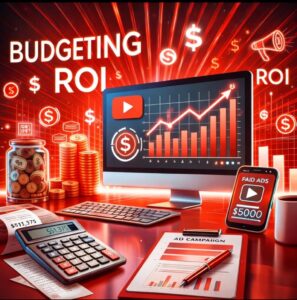
Budgeting and ROI in Paid Advertising
Budgeting and ROI in Paid Advertising Paid advertising is one of the fastest ways to grow a business online, but success does not depend only on running ads. The real success comes from smart budgeting and achieving a strong Return on Investment (ROI). Many businesses spend money on ads without a clear plan and end up with low results. To avoid this, understanding budgeting and ROI is essential for every marketer and business owner What is Paid Advertising Budgeting? Budgeting in paid advertising means deciding how much money you will spend on your campaigns over a specific period. It involves planning your daily, weekly, or monthly ad spend to achieve maximum results without overspending.A well-planned budget helps you: Types of Advertising Budgets There are mainly two types of budgets used in paid advertising: 1. Daily Budget This is the amount you are willing to spend per day on a campaign. It’s ideal for beginners who want better control over daily expenses. 2. Lifetime Budget This is the total amount you set for the entire campaign duration. Platforms automatically optimize spending based on performance. How to Set the Right Budget Setting the right budget depends on your business goals, industry, and competition. Here are some key steps: Define Your Goals Are you aiming for website traffic, leads, or sales? Your goal determines how much you should spend. Understand Your Audience Targeting the right audience reduces wasted spend and improves ROI. Analyze Competitors Check what competitors are doing and estimate how much budget is required to compete. Start Small and Scale Always begin with a small budget, test ads, and increase spending on high-performing campaigns. What is ROI in Paid Advertising? ROI (Return on Investment) measures how much profit you earn from your ad spend. It tells you whether your campaigns are successful or not. It is calculated using the formula:ROI = (Revenue – Ad Spend) / Ad Spend × 100 Why ROI is Important Tracking ROI helps you: Without ROI tracking, you are basically guessing your success. Key Metrics to Measure ROI To calculate ROI effectively, you need to track these important metrics: 1. CPC (Cost Per Click)The amount you pay for each click on your ad. 2. CPA (Cost Per Acquisition)The cost of acquiring one customer. 3. CTR (Click-Through Rate)Percentage of people who click your ad after seeing it. 4. Conversion RatePercentage of users who complete a desired action. Tips to Improve ROI in Paid Advertising Improving ROI is all about optimizing your campaigns. Here are some proven tips: 1. Target the Right Audience Use detailed targeting options to reach people who are most likely to convert. 2. Use High-Quality Creatives Attractive visuals and compelling ad copy increase engagement and conversions. 3. A/B Testing Test different versions of ads to find what works best. 4. Optimize Landing Pages Make sure your landing page is fast, relevant, and user-friendly. 5. Retargeting Show ads to users who have already interacted with your brand. Common Budgeting Mistakes to Avoid Many beginners make mistakes that reduce ROI. Avoid these: Budgeting and ROI are the backbone of successful paid advertising. Without proper planning and tracking, even the best ads can fail. Start with a clear budget, monitor your performance, and continuously optimize your campaigns.

Paid Ads Funnel Strategy
Paid Ads Funnel Strategy A Paid Ads Funnel Strategy is a structured marketing approach that guides potential customers from the first time they see your ad to the final purchase or conversion. Instead of running random ads, businesses use a funnel system to improve targeting, reduce ad spend waste, and increase ROI. Platforms like Google Ads, Meta Platforms (which includes Facebook and Instagram ads), and other digital networks work best when structured into funnel stages. A well-structured funnel ensures that every rupee you spend on ads works efficiently, targeting users based on their behavior and intent. What is a Paid Ads Funnel? A Paid Ads Funnel is a structured journey that potential customers go through after clicking on your ad. It typically has three main stages: Each stage requires different messaging, creatives, and targeting strategies. Top of Funnel (TOFU): Awareness Stage At this stage, your goal is to grab attention and introduce your brand to a new audience. These users don’t know about your business yet, so your ads should focus on value, not selling. Best Ad Types: Middle of Funnel (MOFU): Consideration Stage Now that users know about your brand, it’s time to nurture them. These users have interacted with your ads, visited your website, or watched your videos. Here, you retarget them with more detailed and value-driven content Best Ad Types: Content Ideas: Example:“Download our FREE Paid Ads Strategy Guide to increase conversions” At this stage, you should focus on building trust and collecting leads (emails, contact info). Bottom of Funnel (BOFU): Conversion Stage This is the final stage where users are ready to take action. Your goal is to convert leads into customers. These users already know your brand, so your ads should focus on offers, urgency, and proof. Best Ad Types: Content Ideas: Adding urgency like “Only 2 days left” can significantly increase conversions. Retargeting: The Backbone of Funnel Strategy Retargeting plays a crucial role in moving users from one stage to another. Not everyone converts on the first click—most users need multiple touchpoints. You can retarget users based on: This keeps your brand in front of potential customers and increases the chances of conversion. Landing Page Optimization Even the best ad won’t work if your landing page is weak. Each funnel stage should have a dedicated landing page aligned with the ad. Key Elements: Consistency between your ad and landing page message is critical. Budget Allocation Strategy To maximize ROI, you should distribute your budget wisely across funnel stages: This ensures you’re not just spending on conversions but also continuously filling the funnel with new prospects. A Paid Ads Funnel Strategy is not just about running ads—it’s about creating a structured customer journey. By targeting users at the right stage with the right message, you can significantly improve your conversion rates without increasing your budget. Instead of focusing only on clicks, focus on guiding users step-by-step. That’s how successful brands turn traffic into revenue.
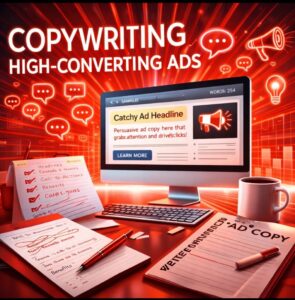
Copywriting for High-Converting Ads
Copywriting for High-Converting Ads In today’s competitive digital world, businesses are spending more on ads than ever before, but only a few are truly getting high returns. The difference between a low-performing ad and a high-converting ad is not just budget—it is copywriting. Strong ad copy has the power to grab attention, build interest, create desire, and push users to take action instantly. This blog will explain how copywriting works for high-converting ads and how you can write ads that actually bring sales, leads, and engagement. 1. Understand Your Audience First Before writing anything, you need to know who you are targeting. Without understanding your audience, even the best copy will fail. Ask yourself: When your copy speaks directly to their pain points, it instantly connects. 2. Write a Powerful Headline Your headline is the first thing people notice. If it’s boring, users will scroll past your ad. A good headline should: Examples: 3. Focus on Benefits, Not Features Many beginners make this mistake—they only talk about product features. ❌ Example: “Our software has AI tools”✅ Better: “Save 5 hours daily with smart AI automation” People don’t care about features—they care about how your product helps them. 4. Use Emotional Triggers High-converting ads always connect emotionally. People take action based on feelings, not logic. Use emotions like: Example:“Don’t let your competitors take your customers—start today!” 5. Add Social Proof People trust other people. When you show proof, your ad becomes more believable. You can include: Example:“Trusted by 50,000+ businesses worldwide” 6. Create Urgency & Scarcity If users feel they can act later, they usually won’t act at all. That’s why urgency is important. Use phrases like: Example:“Get 50% off—Offer valid till midnight!” 7. Keep It Simple and Clear Avoid complicated language. Your copy should be easy to understand in seconds. Tips: Remember: clarity = conversions. 8. Use Strong Call-to-Action (CTA) Your ad should always tell users what to do next. Weak CTA:“Learn More” Strong CTA: CTA should be clear, action-driven, and benefit-focused. 9. A/B Test Your Copy Even experts don’t get perfect results in one try. That’s why testing is important. Test different versions of: Then analyze which one performs better. 10. Match Copy with Visuals Your ad copy and image should support each other. If your text says “50% Discount”, your image should also highlight that. Consistency increases trust and improves conversions. Copywriting is the backbone of high-converting ads. Even with a small budget, strong copy can deliver amazing results. Focus on your audience, write clear and emotional messages, and always guide users with a strong CTA. Start applying these strategies today, and you’ll see a noticeable improvement in your ad performance.
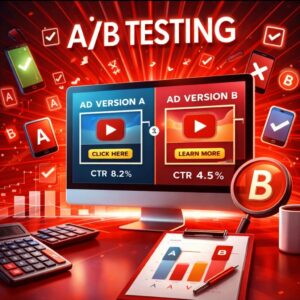
A/B Testing in Paid Ads
A/B Testing in Paid Ads A/B testing, also known as split testing, is one of the most powerful strategies in paid advertising that helps businesses improve conversions, reduce ad spend wastage, and understand what truly works with their audience. Whether you are running ads on Google, Facebook, Instagram, or any other platform, A/B testing allows you to make data-driven decisions instead of guessing what might perform better. In simple terms, A/B testing means comparing two versions of an ad to see which one performs better. You change one element at a time, show both versions to similar audiences, and analyze which one gets better results such as clicks, conversions, or engagement. Why A/B Testing is Important for Paid Ads A/B testing is essential because it helps you: Without testing, you risk running ineffective ads that drain your budget with little to no results. Elements You Should A/B Test To get the most out of your campaigns, you should test different components of your ads: 1. Ad Copy (Headline & Description) Your headline is the first thing users notice. Even a small change in wording can significantly impact click-through rates. 👉 Example: 2. Visuals (Images & Videos) Visual content plays a huge role in grabbing attention. Test different styles such as lifestyle images, product images, or videos. 3. Call-to-Action (CTA) CTA buttons influence user action. Test variations like: 4. Audience Targeting Try different audience segments such as age groups, locations, or interests to see which group responds best. 5. Landing Pages Even if your ad is perfect, a weak landing page can reduce conversions. Test different layouts, headlines, or offers. How to Run A/B Testing Effectively Running A/B tests properly is important to get accurate results. Follow these steps: Step 1: Define Your Goal Decide what you want to improve—CTR, conversions, or engagement. Step 2: Test One Variable at a Time Avoid testing multiple changes at once. Otherwise, you won’t know what caused the difference. Step 3: Set a Proper Budget & Duration Run your test long enough to collect meaningful data. Avoid ending tests too early. Step 4: Analyze Results Use metrics like: Step 5: Implement the Winner Once you find the winning version, apply it to your campaign and continue testing new variations. Common Mistakes to Avoid While A/B testing is powerful, many marketers make mistakes that affect results: Avoiding these mistakes will help you get more reliable and actionable insights. Pro Tips for Better A/B Testing Results To maximize your ad performance, follow these expert tips: A/B testing is one of the most effective strategies to improve your paid ad campaigns. It allows you to understand what works best for your audience and optimize your ads for better performance. Instead of guessing, you rely on real data to make smarter marketing decisions. Whether you’re running Facebook Ads, Google Ads, or Instagram campaigns, A/B testing can significantly boost your results without increasing your budget. Start small, test consistently, and keep improving. Over time, these small optimizations will lead to massive growth in your campaign performance.
A method A high-converting paid ads strategy starts with understanding your audience and setting a clear goal—whether it’s leads, sales, or website traffic. Instead of targeting everyone, focus on a specific audience segment based on interests, behavior, and demographics. Use strong ad creatives with clear messaging, eye-catching visuals, and a compelling call-to-action like “Get Started” or “Book Now.” Your landing page should match the ad message to avoid confusion and increase conversion chances.
Next, tracking and optimization play a crucial role in performance marketing. Always run A/B tests on different ad creatives, headlines, and audiences to find what works best. Monitor key metrics like CTR (Click-Through Rate), CPC (Cost Per Click), and ROAS (Return on Ad Spend). Retarget users who have already interacted with your ads or website, as they are more likely to convert. Consistent analysis and optimization help improve results and reduce ad spend wastage
Finally, budget allocation and platform selection are important for maximizing conversions. Choose platforms like Google Ads for high-intent users and social media ads for awareness and engagement. Start with a small budget, analyze performance, and gradually scale the campaigns that deliver results. A well-planned paid ads strategy not only drives traffic but also turns visitors into loyal customers, boosting overall busine
Running paid ads today is not just about spending money — it’s about spending it smartly. Many businesses run ads but fail to convert because they focus only on clicks, not on customer intent and journey. A high-converting paid ads strategy is built on understanding your audience deeply, delivering the right message, and continuously optimizing based on data.
In this guide, you’ll learn a step-by-step strategy that actually drives leads, sales, and real business grWhy Most Paid Ads Fail to Convert (And How You Can Avoid It
Why Most Paid Ads Fail to Convert (And How You Can Avoid It)
Most businesses jump into ads expecting instant results, but the reality is different. Ads don’t fail because the platform is bad — they fail because the strategy is weak
Common reasons why ads don’t convert:
- Targeting the wrong audience
- Weak or generic ad creatives
- No clear offer or value proposition
- Poor landing page experience
- No testing or optimization
Think of ads like a conversation. If you talk to the wrong person or say the wrong thing, they won’t respond — no matter how much you spend.
What works instead:
- Right audience + Right message + Right timing
- Data-driven decision making
- Continuous testing and improvement
What You Should Do Instead
Focus on a data-driven and customer-centric approach where every element—from targeting to conversion—is aligned.
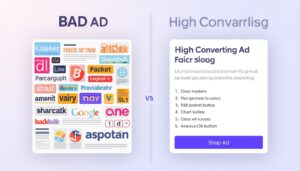
Step-by-Step High Converting Paid Ads Strategy
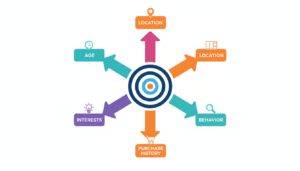
Your Ideal Target Audience
Understanding your audience is the foundation of any successful ad campaign. If you target everyone, you convert no one.
How to Do It:
- Create detailed customer personas
- Identify pain points, desires, and behaviors
- Use demographics (age, gender, location)
- Use interest and behavior targeting
- Build lookalike and retargeting audiences
What Makes a High-Converting Offer:
- Solves a specific problem
- Shows clear benefits (not just features)
- Includes urgency (limited time, limited slots)
- Adds bonuses or discounts
- Reduces risk (free trial, guarantee)
I wanna explain with an Example
❌ “Buy Our Course”
✅ “Get 2x More Leads in 30 Days or Your Money Back”

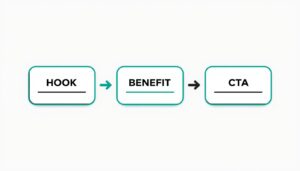
Write High-Converting Ad Copy
- Hook (Attention): Stop scrolling , Problem: Show you understand the pain , Solution: Present your product/service , Benefits: Explain transformation , CTA: Clear next step
Best Practices:
- Use simple and conversational language
- Focus on benefits, not features
- Keep it short and impactful
- Add emotional t
Example CTA:
- Get Started Today
- Claim Your Offer Now
- Book Free Consultation
Optimize Landing Page for Conversions
Even the best ads fail if your landing page is weak.
Key Elements of a High-Converting Landing Page:
- Clear and strong headline
- Consistent message with the ad
- Fast loading speed
- Mobile-friendly design
- Clear CTA button
- Social proof (reviews, testimonials)
- Minimal distractions
Your ad and landing page should feel like one continuous experience.
A/B Testing & Continuous Optimization
High-performing ads are not created—they are optimized over time.
What to Test:
- Headlines , Images/videos, Audience segments, CTA buttons, Ad formats
Track These Metrics
- CTR (Click Through Rate), CPC (Cost Per Click), Conversion Rate, ROAS (Return on Ad Spend)
Scaling Strategy:
- Increase budget on winning ads, Pause low-performing ads, Duplicate and improve top performers
Key Strategies to Drive Better Results from Paid Ads
- Use retargeting ads to convert warm audience
- Leverage video ads for higher engagement
- Use strong creatives (visuals matter more than text)
- Keep testing new trends and formats
- Focus on customer journey, not just clicks
Turn Ads Into a Growth Engine
A high-converting paid ads strategy is not about luck—it’s about clarity, consistency, and continuous improvement.
When you:
✔ Target the right audience
✔ Create a compelling offer
✔ Write persuasive copy
✔ Optimize your landing page
✔ Test and scale consistently